It rarely announces itself the way movies show it a dramatic clutch of the chest and a sudden collapse.
In real life, a heart attack often begins quietly. A little discomfort here. A bit of unusual tiredness there. Something that feels easy to dismiss as gas, stress, or just “a long day.”
And that is exactly what makes it dangerous. The window to act fast is small and recognising the signs early can be the difference between a full recovery and a life-threatening emergency.
This is something every family should know. Not just patients. Not just the elderly. Everyone.
What Actually Happens During a Heart Attack
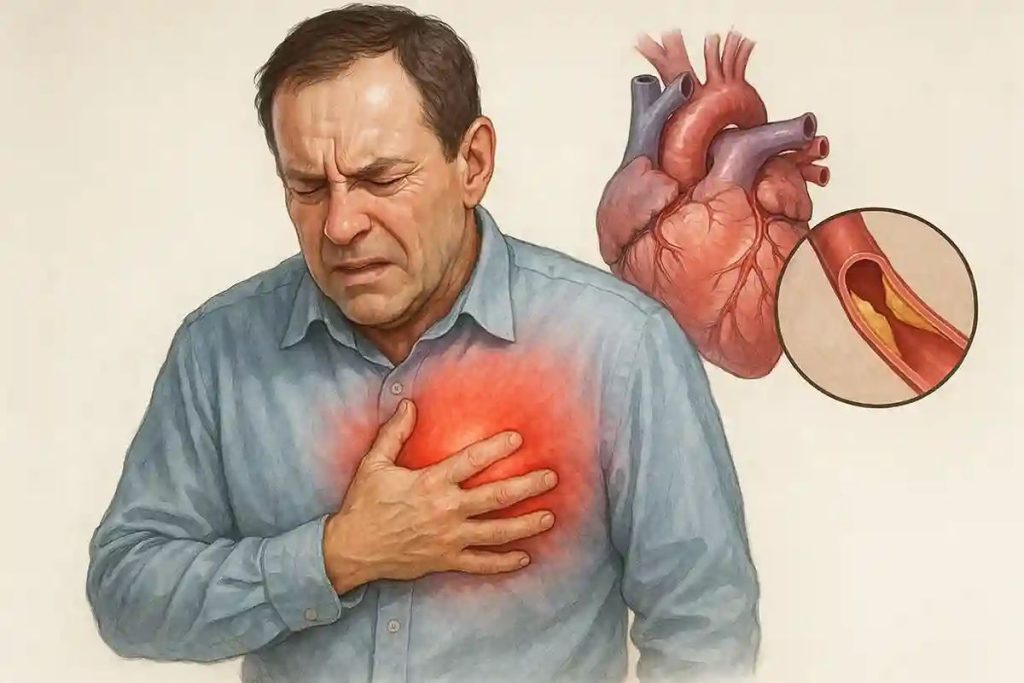
A heart attack occurs when blood flow to a part of the heart muscle is blocked usually due to a buildup of fat, cholesterol, or plaque in the coronary arteries. Without enough oxygen-rich blood, that part of the heart muscle begins to get damaged.
The longer the blockage goes untreated, the greater the damage. This is why every minute matters.
Common Heart Attack Symptoms
1. Chest Discomfort or Pain
This is the most recognised symptom but it does not always feel like sharp, stabbing pain. Many people describe it as pressure, tightness, squeezing, or a heavy weight sitting on the chest. It can last a few minutes, go away, and return.
2. Pain Spreading to Other Areas
Discomfort is not always limited to the chest. It can radiate to the arms (especially the left arm), shoulders, back, neck, jaw, or even the upper stomach.
3. Shortness of Breath
Feeling breathless with or without chest discomfort is a significant warning sign. It may happen during activity or even while resting.
4. Cold Sweats
A sudden, unexplained breakout of cold sweat, especially alongside other symptoms, should never be brushed aside.
5. Nausea or Vomiting
Some people experience a wave of nausea, indigestion-like discomfort, or actual vomiting. This is often mistaken for a stomach issue, delaying necessary medical attention.
6. Lightheadedness or Dizziness
A sudden feeling of faintness, dizziness, or feeling like you might pass out is a red flag, particularly when it appears alongside chest discomfort.
7. Unusual Fatigue
Extreme, unexplained tiredness especially when it appears suddenly or doesn’t match your activity level is a lesser-known but genuine warning sign, particularly in women.
Heart Attack Symptoms in Women Why They Are Often Missed
Women frequently experience heart attacks differently than men, which is one of the biggest reasons they are diagnosed later and with worse outcomes.
While chest pain still occurs, women are more likely to also experience unusual fatigue, shortness of breath without chest pain, nausea, back or jaw pain, and sleep disturbances in the days leading up to the event.
Because these symptoms feel vague or unrelated to the heart, they often get attributed to stress, anxiety, or being “run down” delaying the medical attention that is urgently needed.
If something feels off and does not resolve, it is always worth getting checked.
Silent Heart Attacks The Ones That Go Unnoticed
Not every heart attack comes with obvious symptoms. A “silent” heart attack can occur with mild or no symptoms at all, often mistaken for indigestion, muscle strain, or fatigue. These are more common in people with diabetes, due to nerve-related changes that can dull pain signals.
This is one of the key reasons routine health checkups matter they can catch what symptoms alone might miss.
What to Do If You Suspect a Heart Attack
This is the part that truly saves lives.
Act immediately. Do not wait to see if symptoms “pass.” Every minute of delay increases the risk of permanent heart damage.
Call for emergency medical help right away, or get to the nearest hospital with cardiac care facilities as fast as safely possible.
Sit down and stay calm while waiting for help. Avoid unnecessary physical exertion.
Chew an aspirin if available and you are not allergic to it, as it may help reduce blood clotting but this should never replace emergency medical care.
Do not drive yourself if symptoms are severe. Have someone else drive you, or call for an ambulance.
Who Is at Higher Risk?
While a heart attack can happen to anyone, certain factors increase the risk significantly high blood pressure, high cholesterol, diabetes, smoking, obesity, a sedentary lifestyle, chronic stress, and a family history of heart disease.
Age is a factor too, but heart attacks among younger adults have been rising, making awareness important across all age groups, not just for the elderly.
Prevention Is Powerful
The good news is that many heart attacks are preventable through consistent lifestyle choices — regular physical activity, a balanced diet low in processed and fried foods, maintaining healthy blood pressure and cholesterol levels, managing stress, avoiding smoking, and going for regular health screenings, especially after the age of 40.
Prevention does not require drastic life changes overnight. It requires consistency, awareness, and timely medical guidance.
A Word From Miraculous Atriwal Hospital
At Miraculous Atriwal Hospital, Khandwa, we have seen firsthand how early recognition and timely action change outcomes. Hearts that are treated quickly recover far better than those where help arrives too late.
We urge every family in Khandwa and the surrounding region to take these warning signs seriously for yourself, and for the people you love. If something feels wrong, please do not wait it out. Get it checked.
Your Heart Deserves Attention Before It’s an Emergency
If you have noticed any of these symptoms recently, or have risk factors that concern you, do not wait for an emergency to take action.
Book a heart health checkup at Miraculous Atriwal Hospital, Khandwa — because early action saves lives.
This blog is intended for general health awareness and does not replace professional medical advice. If you or someone near you is experiencing symptoms of a heart attack, seek emergency medical help immediately.