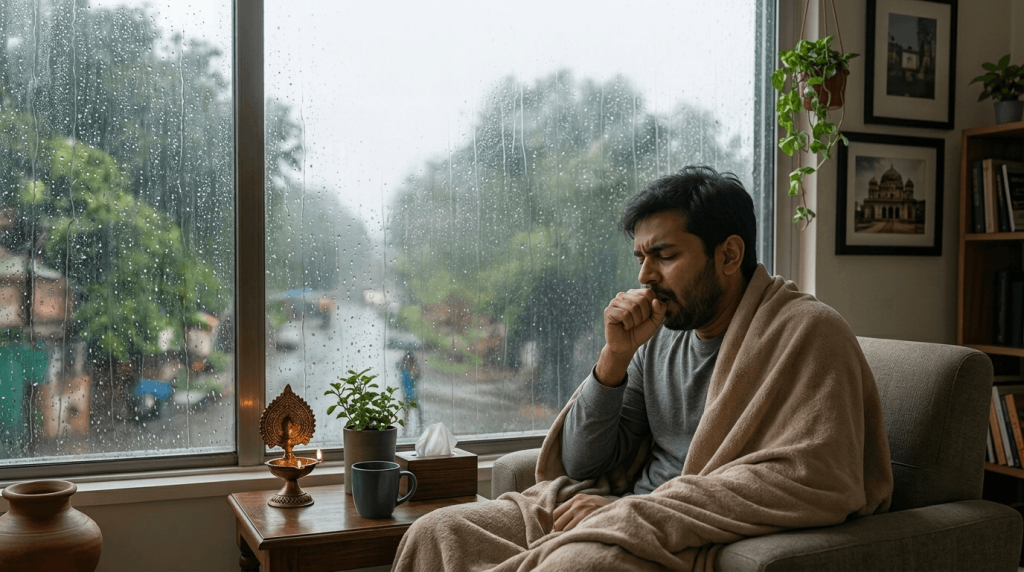
Monsoon health problems are something every Indian family deals with yet somehow, every year, we’re caught off guard.
The rain arrives, the temperature drops, and within weeks, clinics and hospitals across Khandwa see a sharp rise in patients. Fevers, infections, stomach problems, skin conditions monsoon creates the perfect environment for illnesses to spread quickly and quietly through families.
At Miraculous Atriwal Hospital, Khandwa, we see this pattern every single season. And every year, we wish more families had the knowledge to protect themselves before illness strikes not after.
So this monsoon, let’s change that.
Here are 10 monsoon health problems that consistently spike during the rainy season and exactly what you can do to keep your family safe.
1. Malaria — The Most Common Monsoon Health Problem in Khandwa
Malaria remains one of the most widespread monsoon health problems across central India and Khandwa is no exception.
Stagnant water collected in coolers, flowerpots, tyres, and drains becomes a breeding ground for the Anopheles mosquito. Once it bites, malaria parasites enter the bloodstream and begin multiplying rapidly.
Symptoms: High fever that comes in cycles with chills and sweating. Headache, muscle pain, and extreme fatigue typically accompany the fever.
Protection: Eliminate every source of stagnant water around your home weekly. Use mosquito nets, repellents, and full-sleeved clothing especially in the evenings when mosquitoes are most active.
When to visit: If fever returns in cycles or comes with chills get a blood test immediately. Malaria is completely treatable when diagnosed early.
2. Dengue — A Monsoon Health Problem That Peaks After the Rains
Dengue is one of the most feared monsoon health problems in India and unlike malaria, the mosquito responsible breeds in clean, stagnant water. Your household water storage, flower vases, and even a small cap of collected rainwater are enough.
Symptoms: Sudden high fever, severe headache, intense pain behind the eyes, deep joint and muscle pain, and a skin rash that appears 2–3 days after fever begins.
Protection: Empty and clean all water containers weekly. Use mosquito repellent during daylight hours the Aedes mosquito is a daytime biter.
When to visit: Immediately. Never self-medicate dengue with ibuprofen or aspirin; they can worsen bleeding. Visit Miraculous Atriwal Hospital for proper testing and platelet monitoring.
3. Typhoid — A Waterborne Monsoon Health Problem That Sneaks Up Slowly
Typhoid is a monsoon health problem caused by contaminated food and water and monsoon creates exactly the conditions for contamination to spread. One glass of unsafe water is enough.
Symptoms: Fever that gradually rises over several days, stomach pain, weakness, loss of appetite, and sometimes a rash of flat rose-colored spots on the chest.
Protection: Drink only boiled or filtered water throughout the monsoon. Avoid raw, cut fruits and street food from questionable sources.
When to visit: Fever persisting beyond 3 days with stomach discomfort needs a blood test. Typhoid responds well to antibiotics but only when diagnosed correctly and early.
4. Cholera & Gastroenteritis — Digestive Monsoon Health Problems
Digestive infections spike sharply during monsoon making cholera and gastroenteritis two of the most common monsoon health problems affecting families across Khandwa.
Symptoms: Watery diarrhea, vomiting, nausea, stomach cramps, and rapid dehydration. In children and elderly patients, dehydration escalates dangerously fast.
Protection: Safe drinking water is non-negotiable. Wash all fruits and vegetables thoroughly. Avoid eating outside food during peak monsoon weeks.
When to visit: Any diarrhea lasting more than 24 hours, or accompanied by vomiting and signs of dehydration, dry mouth, dizziness, no urination needs immediate medical attention.
5. Leptospirosis — The Monsoon Health Problem Most People Have Never Heard Of
Leptospirosis is a monsoon health problem that doesn’t get enough attention but it’s genuinely dangerous, particularly in areas with flooding and waterlogging.
It spreads through contact with water or soil contaminated by animal urine, something that happens frequently when floodwater enters streets and homes.
Symptoms: Sudden high fever, severe muscle pain especially in the calves, red eyes, headache, and in serious cases jaundice and kidney complications.
Protection: Avoid walking barefoot through flooded water. Wash your feet and legs thoroughly after any contact with floodwater.
When to visit: This monsoon health problem is frequently mistaken for regular viral fever which makes it dangerous. Any combination of fever and floodwater exposure needs immediate evaluation.
6. Viral Fever & Common Cold — The Most Widespread Monsoon Health Problem
Perhaps the most universal monsoon health problem viral fever and the common cold affect virtually every family at least once during the rainy season.
Seasonal temperature changes, getting drenched, and weakened immunity during the monsoon transition make the body more susceptible to viral infections.
Symptoms: Fever, body ache, runny nose, sore throat, and general fatigue. Usually resolves within 3–7 days.
Protection: Change wet clothes immediately after rain. Eat immunity-boosting foods turmeric, ginger, citrus fruits. Avoid sharing utensils with someone unwell.
When to visit: Fever above 103°F, fever lasting more than 5 days, or fever accompanied by breathlessness or chest pain needs medical evaluation not just rest.
7. Fungal Skin Infections — A Monsoon Health Problem Nobody Talks About
Monsoon’s persistent humidity creates ideal conditions for fungal infections making this one of the most common yet underreported monsoon health problems in India.
Skin that stays damp for extended periods particularly feet, groin, underarms, and between fingers becomes vulnerable to fungal growth.
Symptoms: Itching, redness, flaking, and ring-shaped rashes on affected skin areas.
Protection: Keep skin dry throughout the day. Change wet clothing promptly. Wear breathable cotton fabrics and avoid sharing towels or personal items.
When to visit: If the infection spreads, doesn’t improve in 3–4 days, or becomes painful antifungal treatment from a doctor is necessary.
8. Eye Infections (Conjunctivitis) A Highly Contagious Monsoon Health Problem
Conjunctivitis commonly called “pink eye” spreads rapidly during monsoon, making it one of the most contagious monsoon health problems in schools, offices, and households.
Viral and bacterial conjunctivitis both spike during the rainy season because humidity and contaminated water create perfect transmission conditions.
Symptoms: Red, watery, itchy eyes with discharge that may cause the eyelids to stick together particularly in the morning.
Protection: Avoid touching your eyes with unwashed hands. Don’t share towels, pillowcases, or eye drops with anyone. Wash hands frequently throughout the day.
When to visit: Eye infections spread fast and can worsen quickly without proper treatment. Don’t delay particularly for children.
9. Respiratory Infections — A Monsoon Health Problem for All Ages
Respiratory infections including bronchitis, throat infections, and in vulnerable patients, pneumonia are significant monsoon health problems that affect children and elderly family members most severely.
Cold, damp air combined with weakened seasonal immunity creates conditions where respiratory infections take hold quickly and worsen fast.
Symptoms: Persistent cough, sore throat, chest congestion, difficulty breathing, and fever that doesn’t respond to basic medication.
Protection: Keep children and elderly family members warm and dry. Avoid prolonged exposure to cold, damp environments. Maintain good ventilation at home.
When to visit: Any breathing difficulty, chest pain, or high fever with cough in children or elderly patients visit immediately without waiting.
10. Arthritis & Joint Pain Flare-Ups — A Monsoon Health Problem That Worsens Silently
Monsoon doesn’t cause arthritis but it consistently worsens it, making joint pain flare-ups one of the most common monsoon health problems among patients over 40 in Khandwa.
Cold, damp weather causes joints to stiffen, tissues to contract, and inflammatory conditions to become significantly more painful than during dry months.
Symptoms: Increased stiffness, swelling, and pain in knees, hips, hands, and ankles particularly in the morning or after periods of inactivity.
Protection: Stay warm. Keep joints moving with gentle exercise. Avoid prolonged sitting in cold, damp spaces. Hot water fomentation provides temporary relief.
When to visit: If joint pain during monsoon is significantly worse than usual, or accompanied by swelling and reduced movement an orthopedic evaluation will prevent further damage.
General Monsoon Health Protection Tips From Our Team
Beyond the specific monsoon health problems above, these everyday habits protect your entire family through the season:
Drink safe water always boiled or properly filtered, every single day without exception.
Eat freshly cooked home food, avoid cut fruits from outside, raw salads, and street food during peak monsoon weeks.
Keep your surroundings clean inspect your home weekly for stagnant water. Every container, every drain, every corner matters.
Don’t self-medicate this is perhaps the most critical advice for monsoon health problems. What feels like a simple fever could be dengue, malaria, or typhoid. The right diagnosis requires the right test.
Boost your immunity daily ginger, turmeric, citrus fruits, tulsi, adequate sleep, and hydration form your body’s first line of monsoon defence.
When Should You Visit Miraculous Atriwal Hospital?
Don’t wait if someone in your family experiences:
– Fever that doesn’t break after 2–3 days
– Severe body pain with high fever
– Vomiting or diarrhea for more than 24 hours
– Signs of dehydration dry mouth, dizziness, no urination
– Bleeding from gums or nose
– Breathlessness alongside fever
– Sudden confusion or extreme weakness
These are not symptoms to observe at home. These are symptoms that need immediate medical attention.
Miraculous Atriwal Hospital Khandwa’s Trusted Healthcare Partner Every Season
Monsoon health problems don’t take weekends off and neither do we.
At Miraculous Atriwal Hospital, Khandwa, our team of experienced doctors, advanced diagnostics, and round-the-clock emergency services are always ready to ensure that monsoon health problems are identified early, treated correctly, and resolved completely.
Because this monsoon season your family deserves to enjoy the rain, not worry about what comes with it.
Stay safe. Stay healthy. And remember, we’re always here. 💙